Blue Vein Cheese
15 results
|- Shipped from our local storesFree delivery from € 45Fresh products
- Shipped from our local storesFree delivery from € 45Fresh products
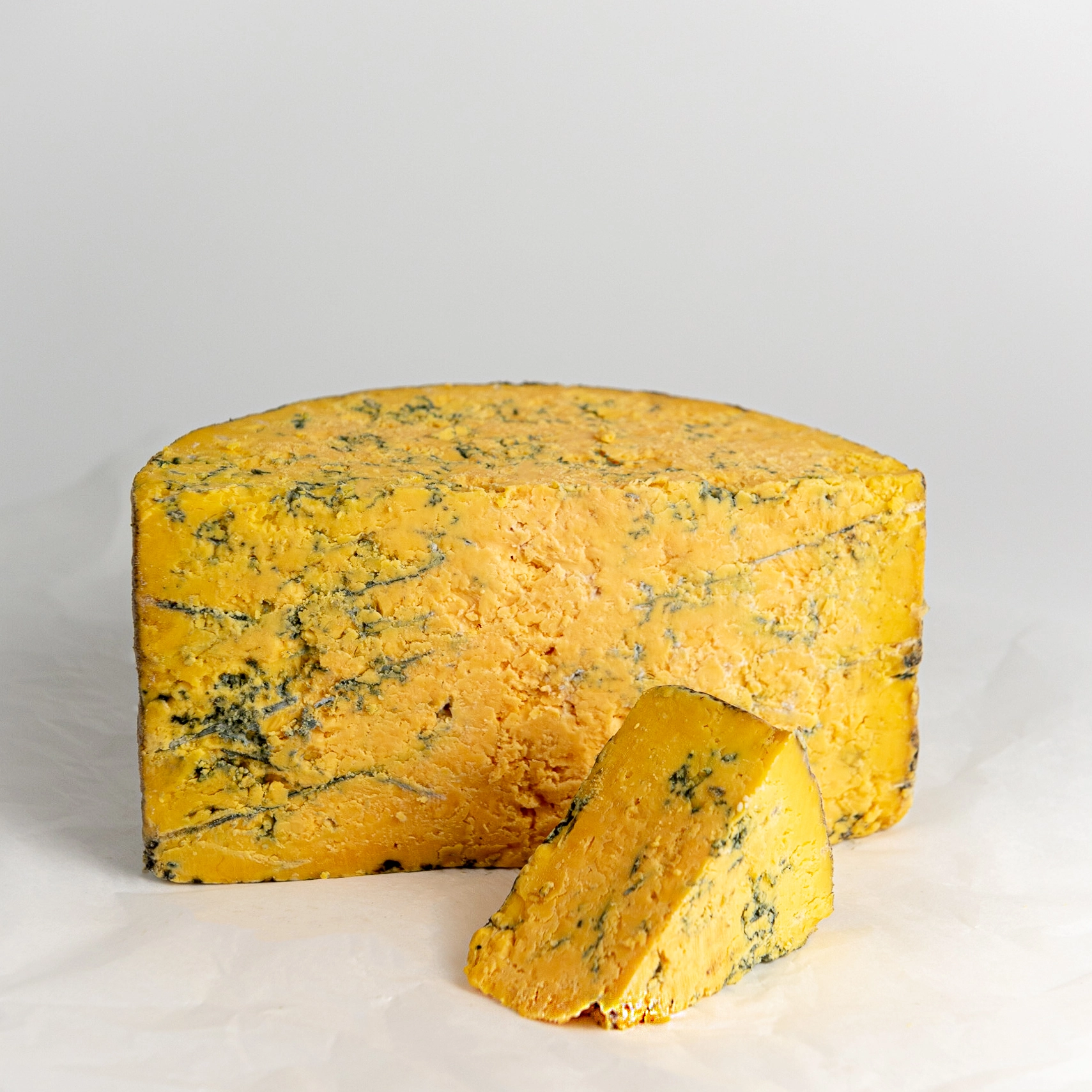
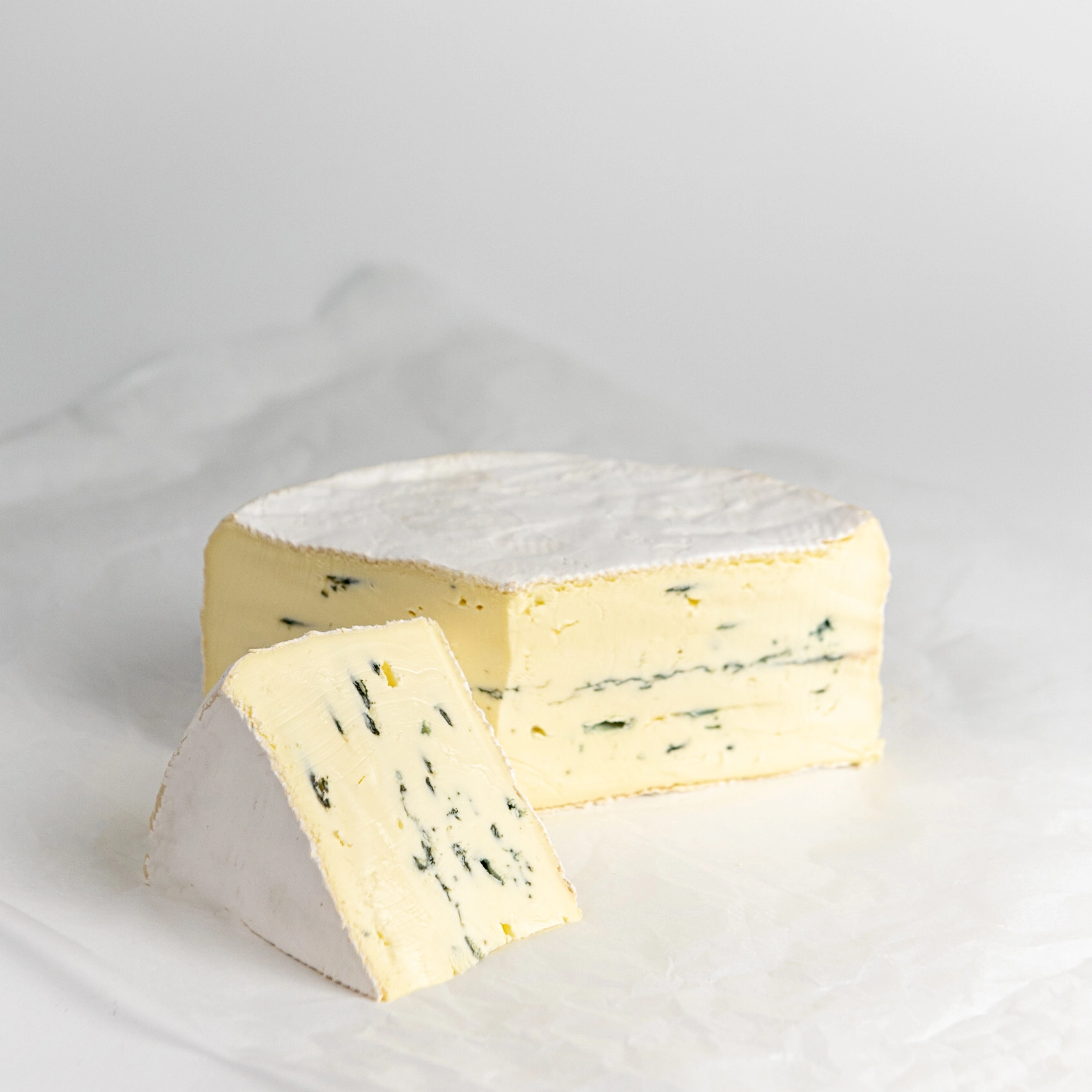
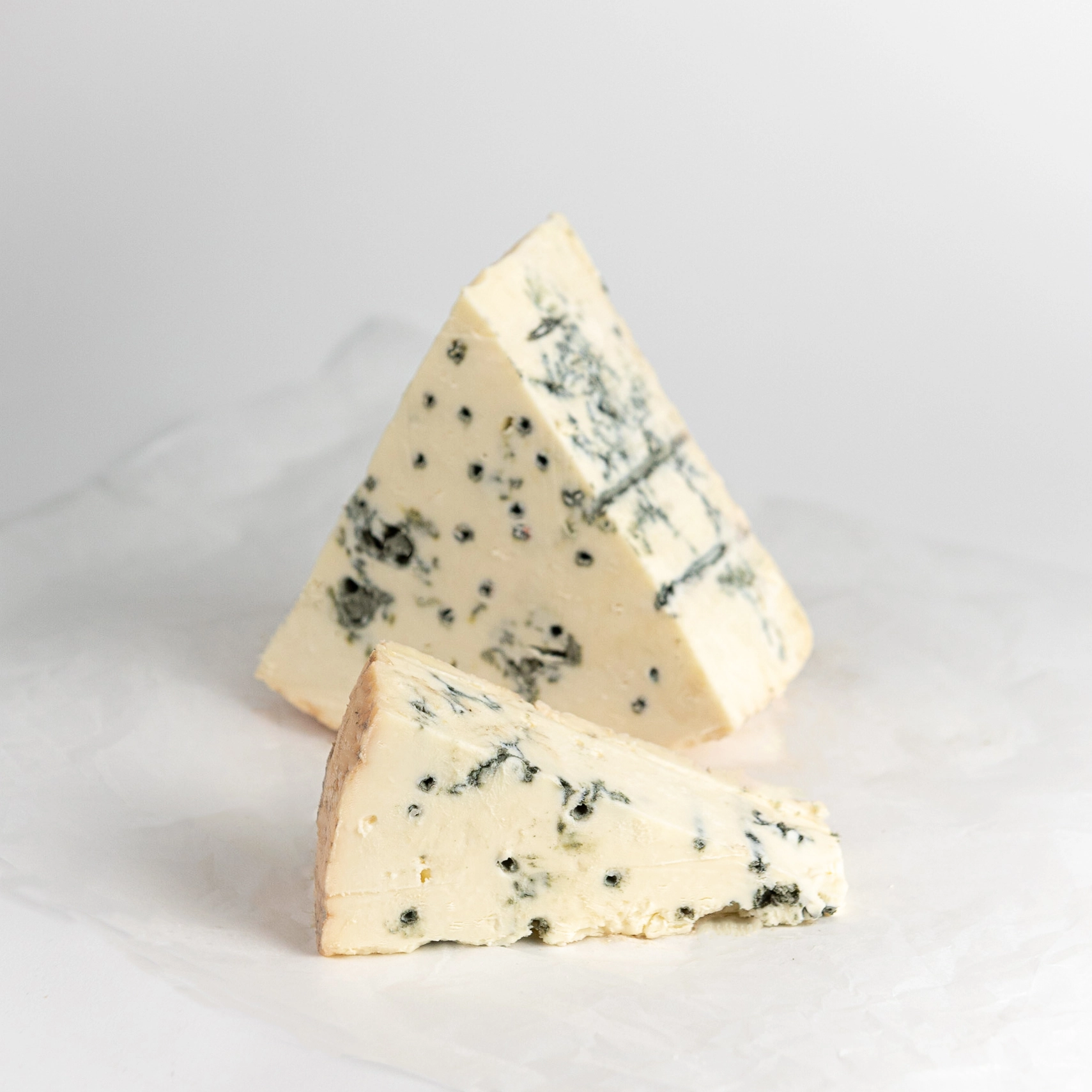
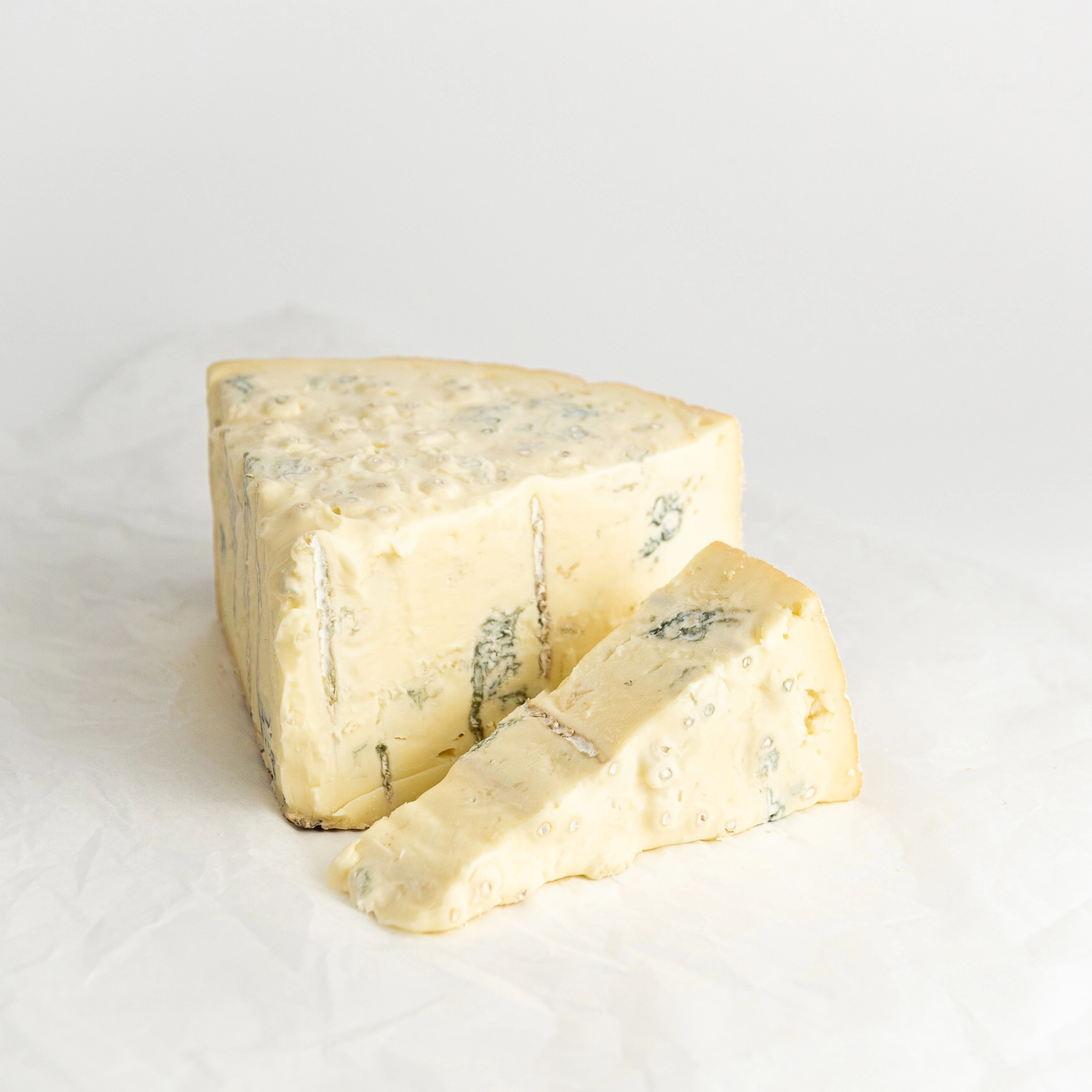
Blue Vein Cheese
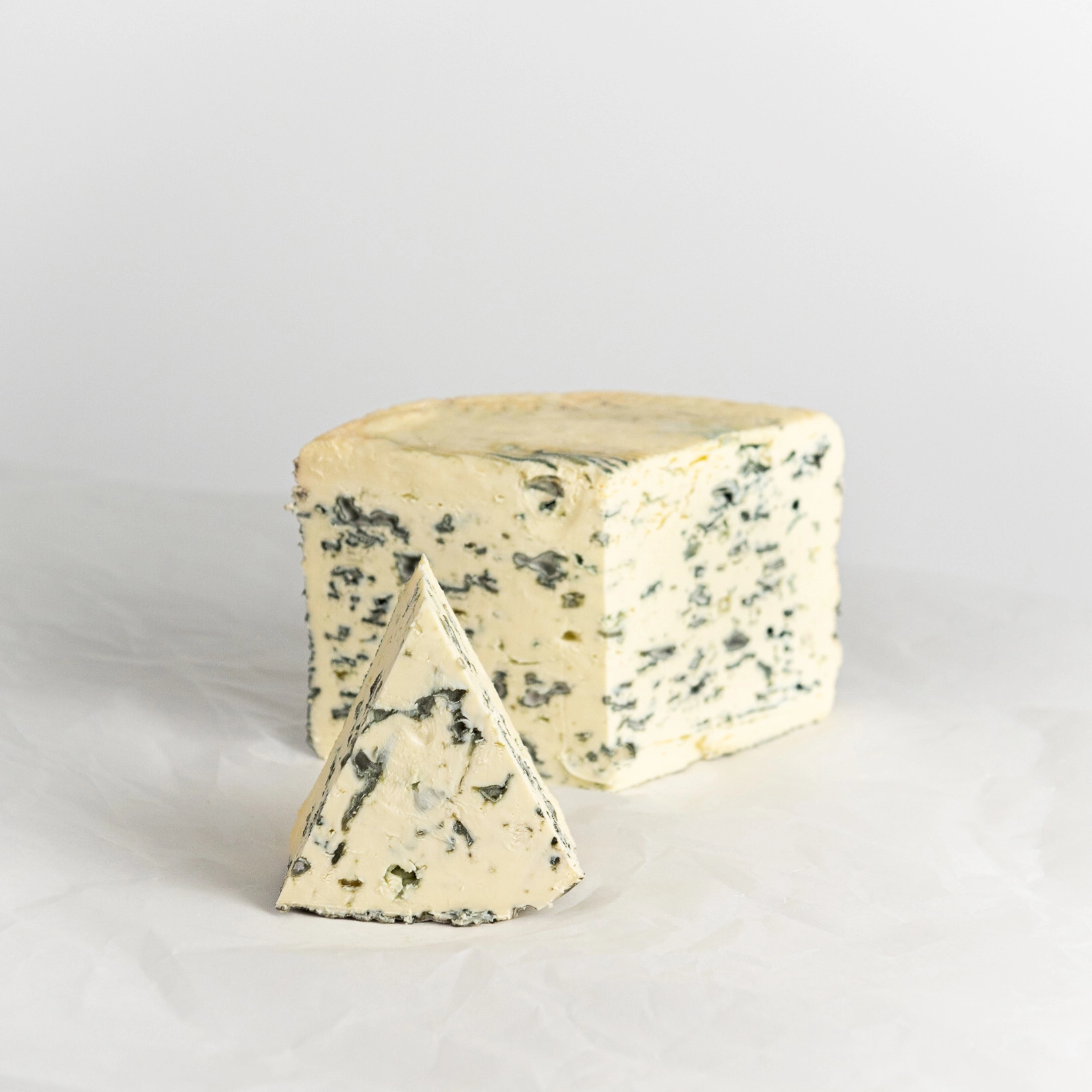
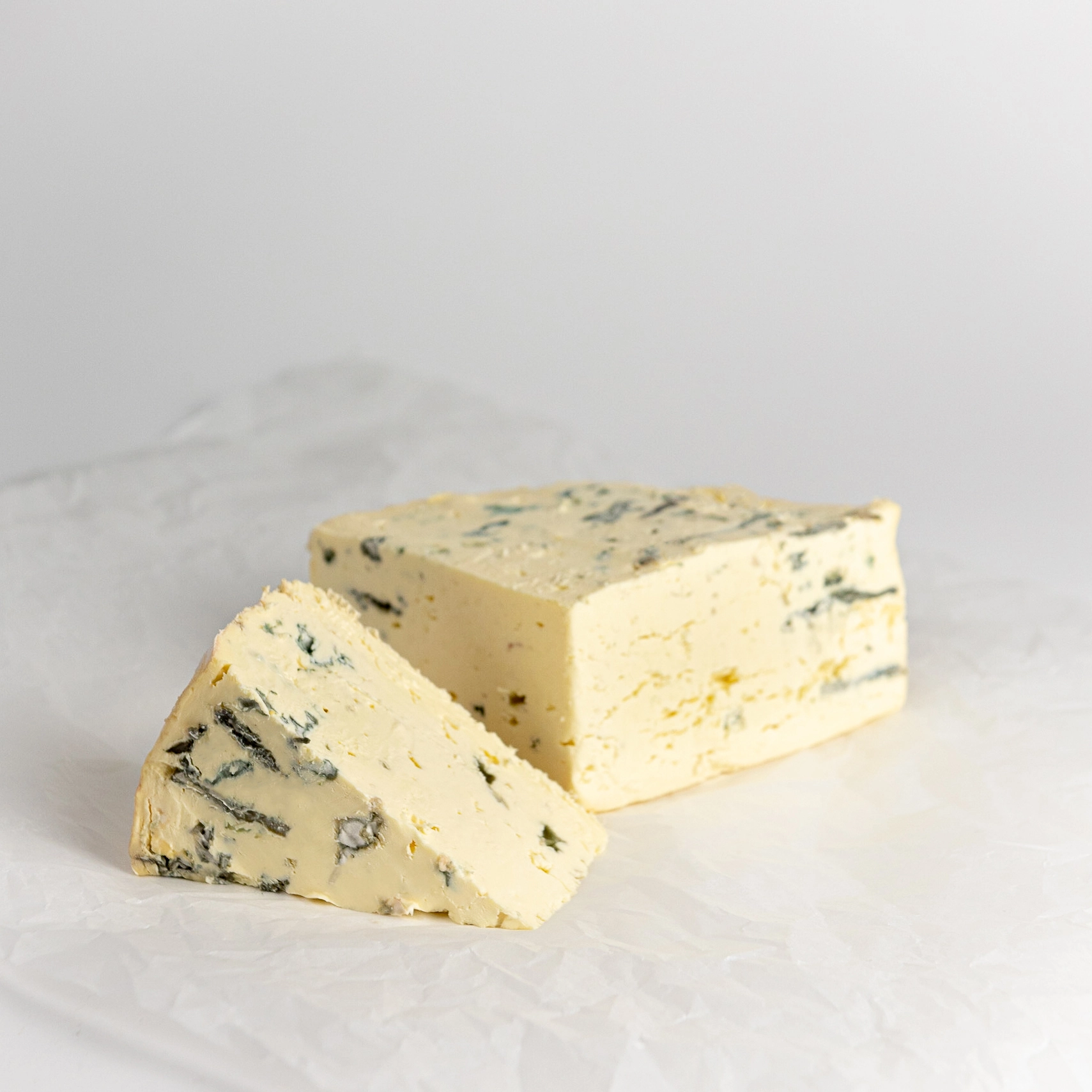
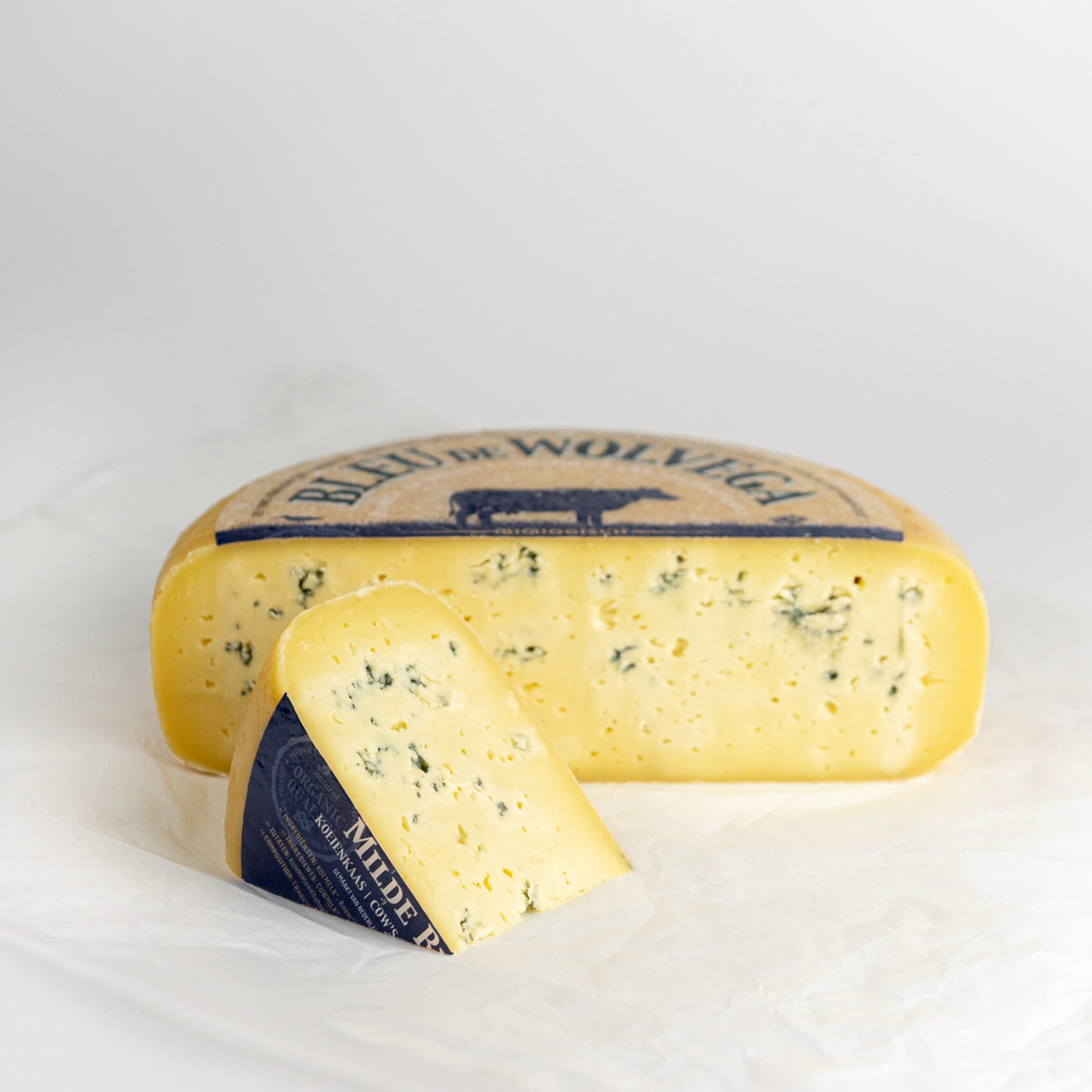
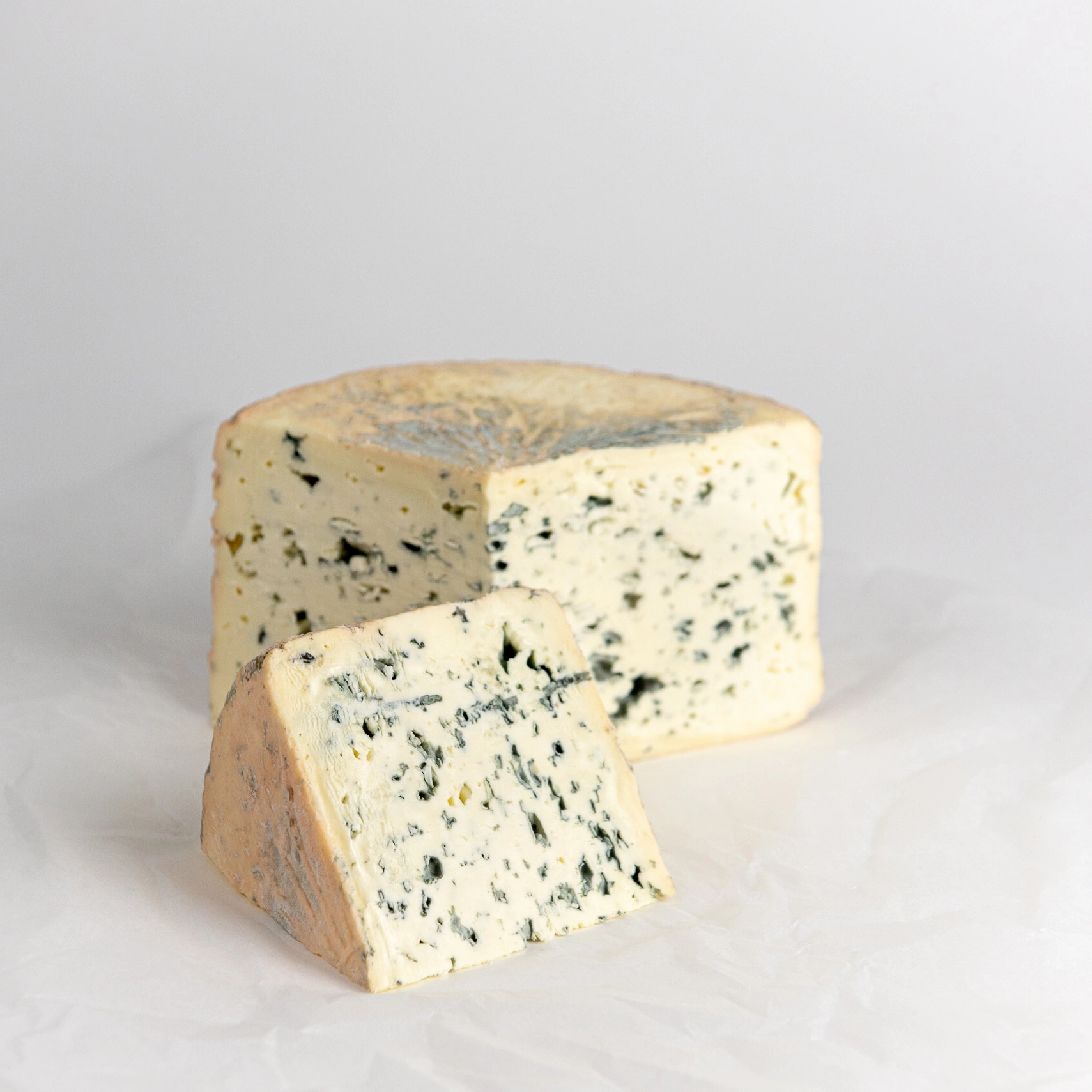
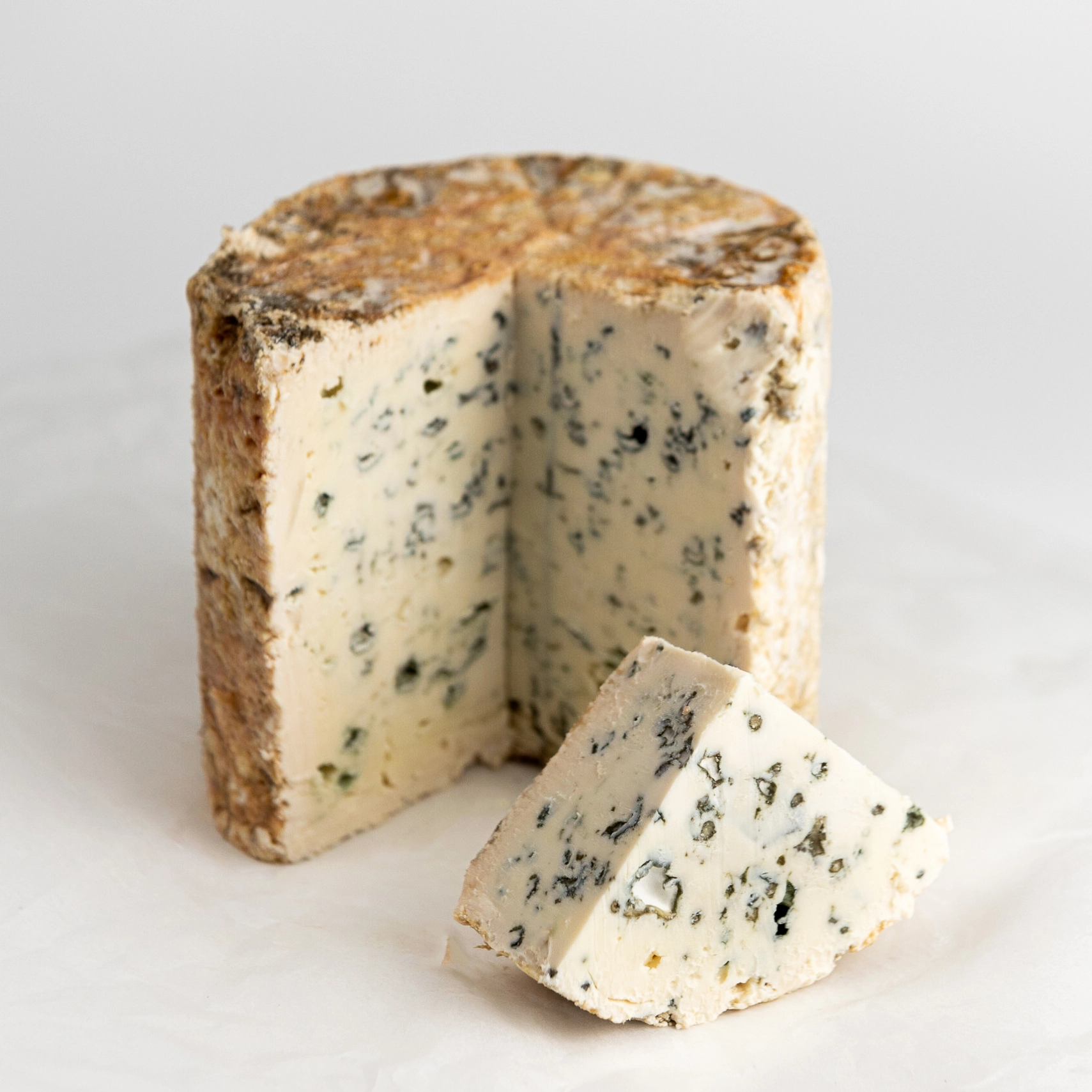
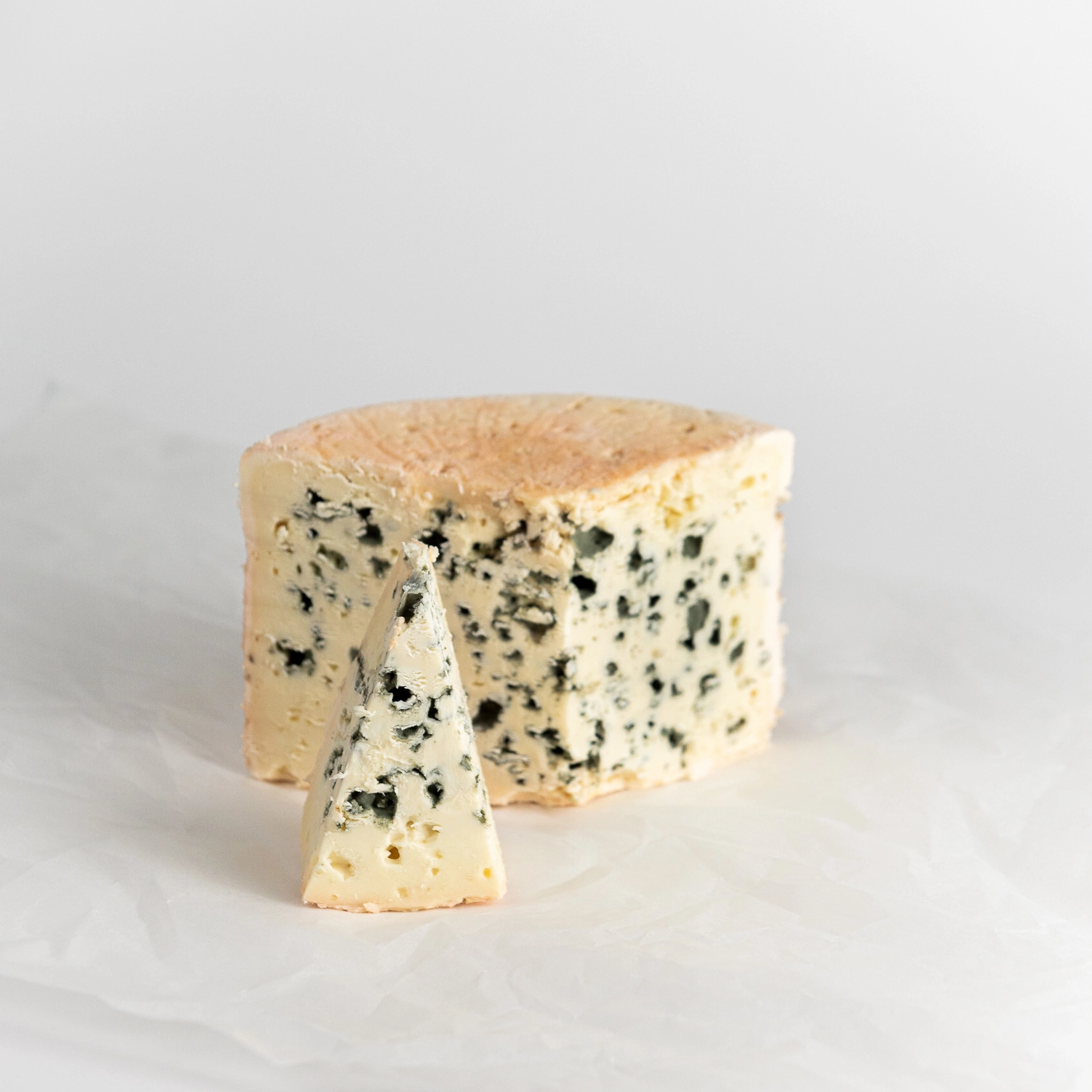
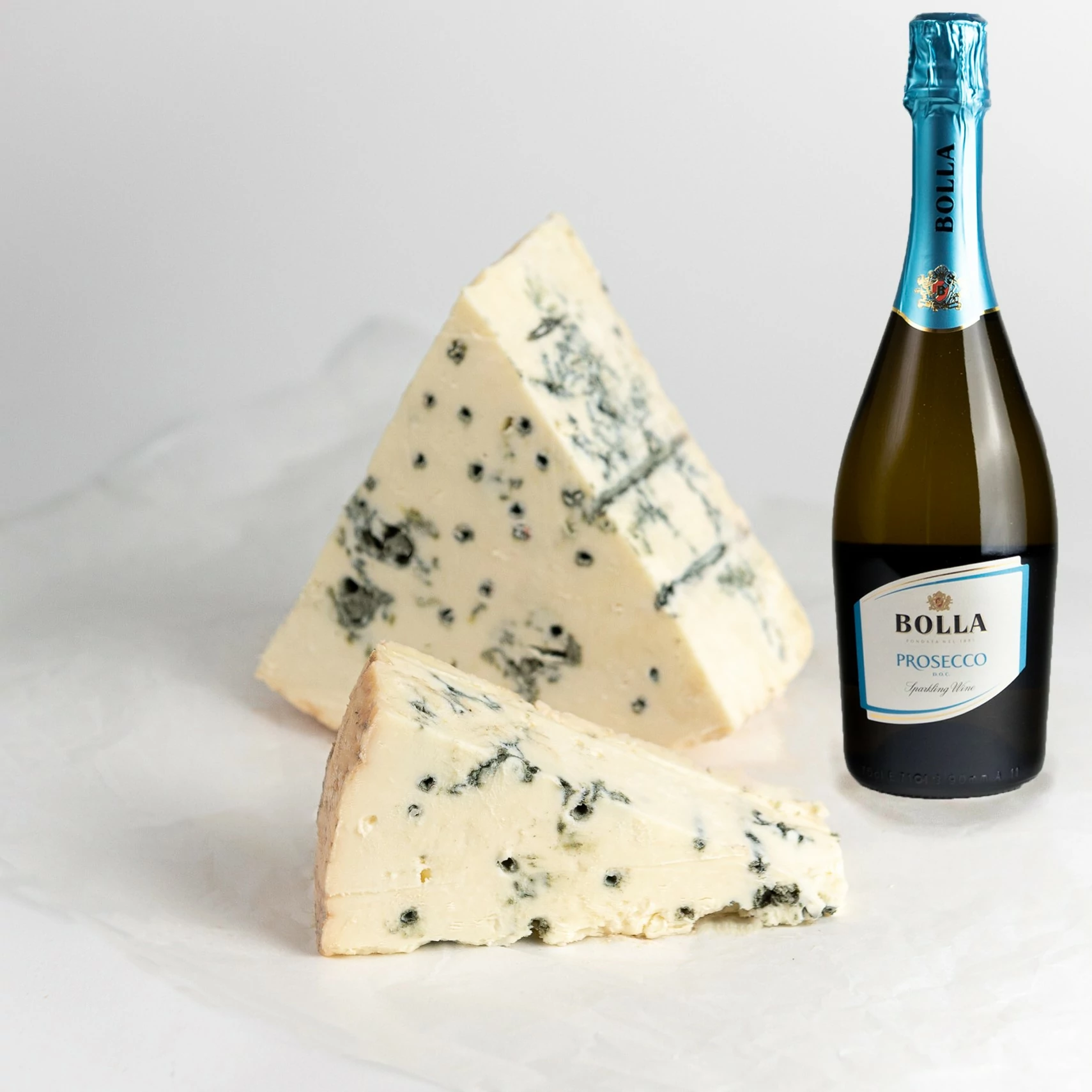
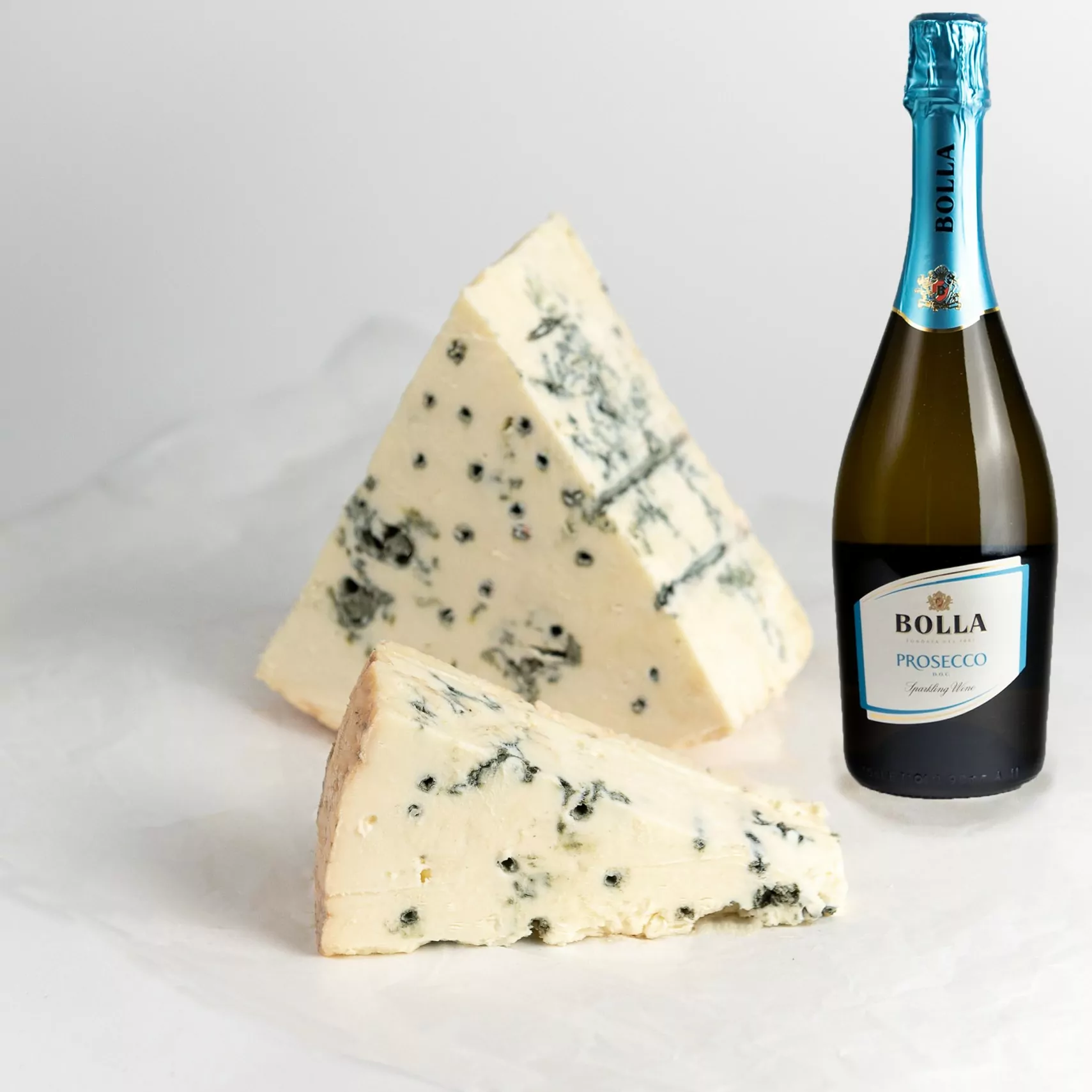
Blue-veined cheeses are cheeses in which a blue mold culture has been incorporated, usually Penicillium roqueforti. This mold creates the recognizable blue veins and gives the cheese its spicy, distinctive flavor. The veins are clearly visible and define the character of this type of cheese. Blue-veined cheeses are primarily made outside the Netherlands, but unique varieties can also be found closer to home.
Many people wonder what blue cheese is exactly. It's a cheese to which mold cultures are deliberately added during the ripening process. This affects not only the flavor but also the texture and aroma of the cheese.
Origin of blue-veined cheeses
Blue-veined cheeses come from different countries and each has its own character.
In France, we find classics like Roquefort, a robust sheep's milk cheese, and Bleu d'Auvergne, a creamy cow's milk cheese. Bleu d'Auvergne originated when a farmer experimented with moldy rye bread, an accidental experiment that evolved into a beloved cheese.
From Scandinavia comes the Korenbloem. This blue cheese matures for about twelve weeks and, thanks to its high fat content, has a soft, almost spreadable texture.
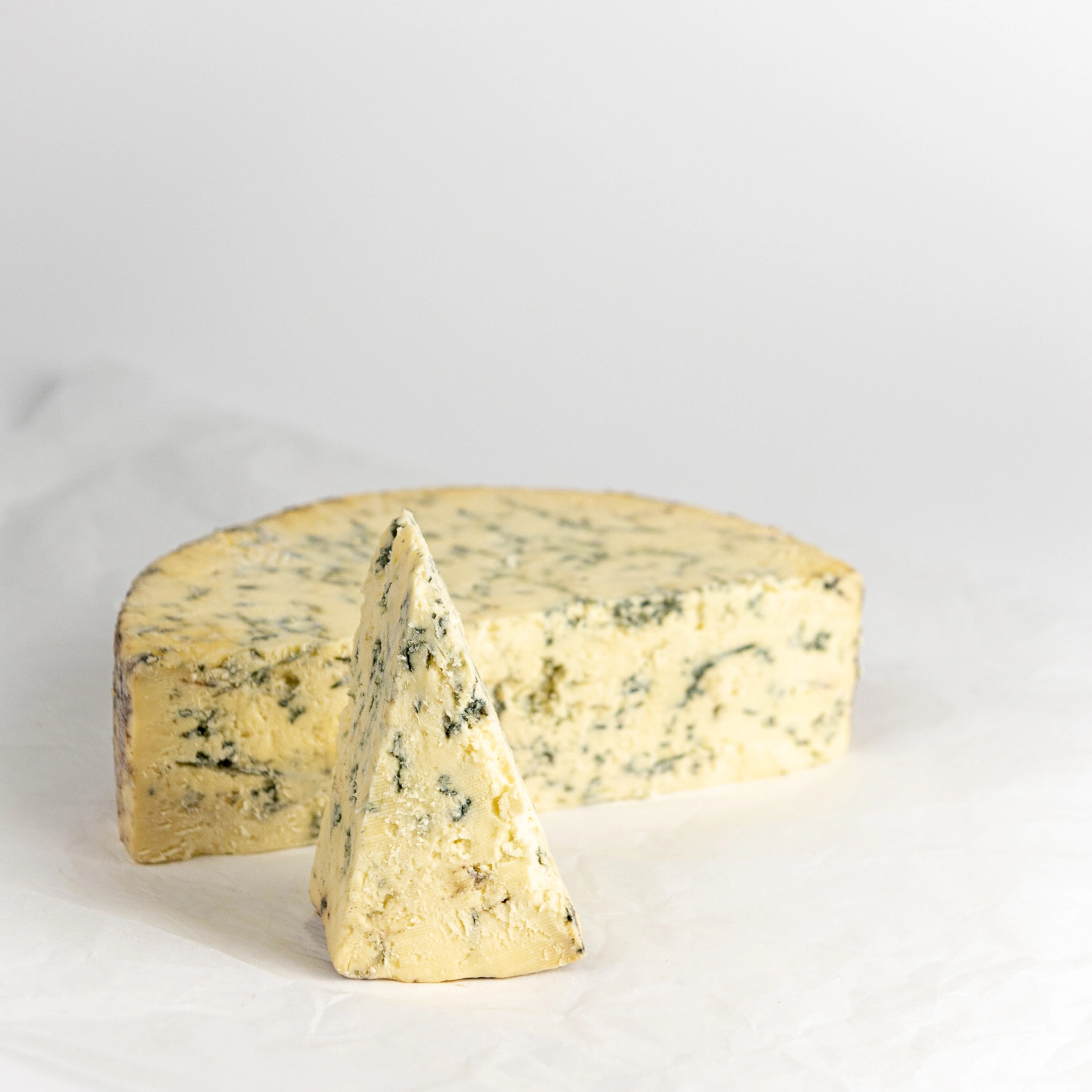
England is famous for its Blue Stilton cheese. This cheese matures for up to six months. A good Stilton is recognizable by the long blue veins that extend to the rind. The flavor is full and creamy and pairs well with meat dishes.
Italy produces Gorgonzola, one of the world's most famous blue-veined cheeses. Made from pasteurized cow's milk from Lombardy, it's versatile, serving everything from cheese platters to pasta dishes.
Closer to home, we find German Montagnolo, a soft, blue-veined cheese with a mild spiciness. The Netherlands also has its own version: Lady Blue, an organic goat's cheese from Dutch soil with a refined flavor.
Variations within blue-veined cheese
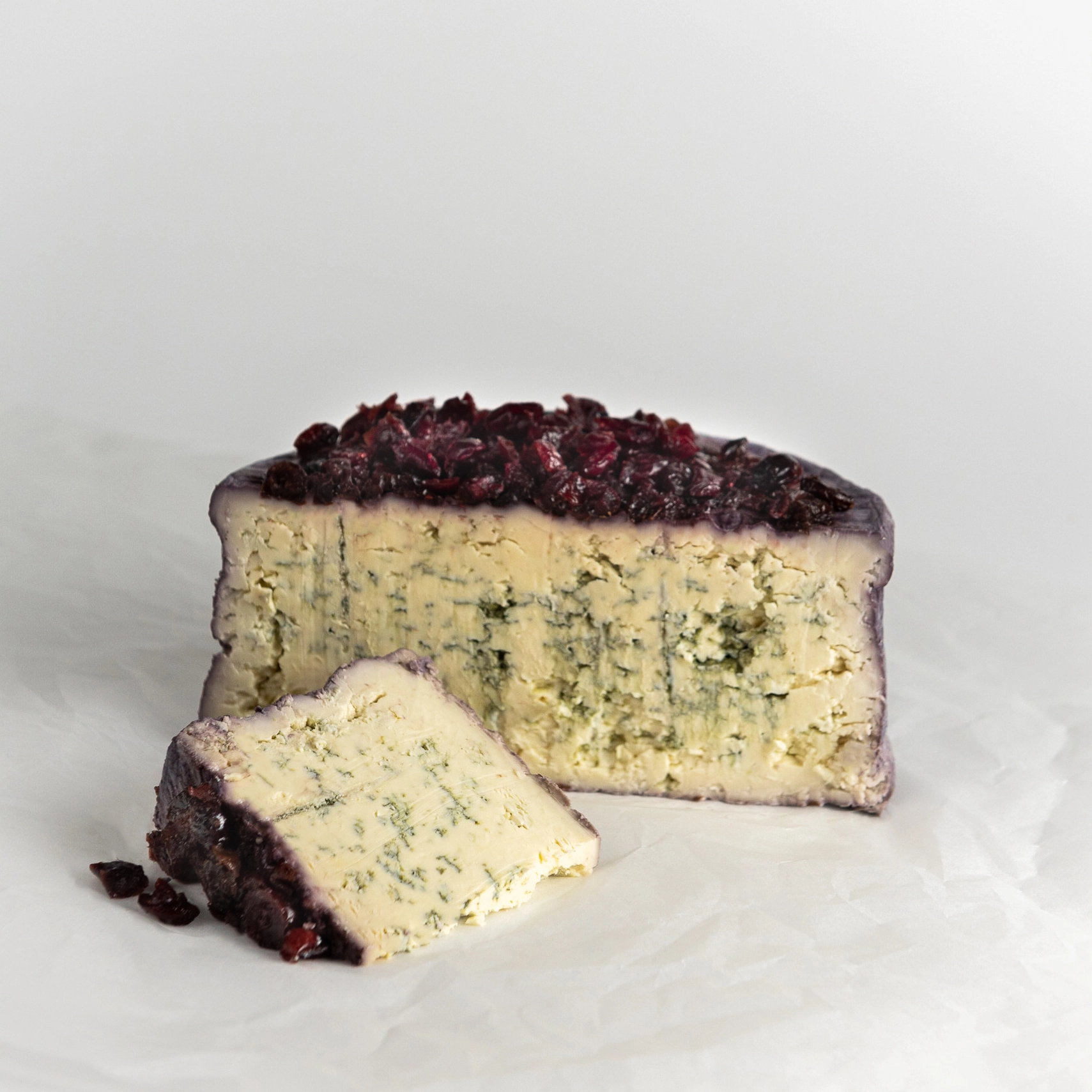
Besides the well-known classics, unique variations have also emerged. BLU '61 is a prime example. This cheese contains cranberries and combines sweet and tangy flavors, making it an excellent dessert cheese.
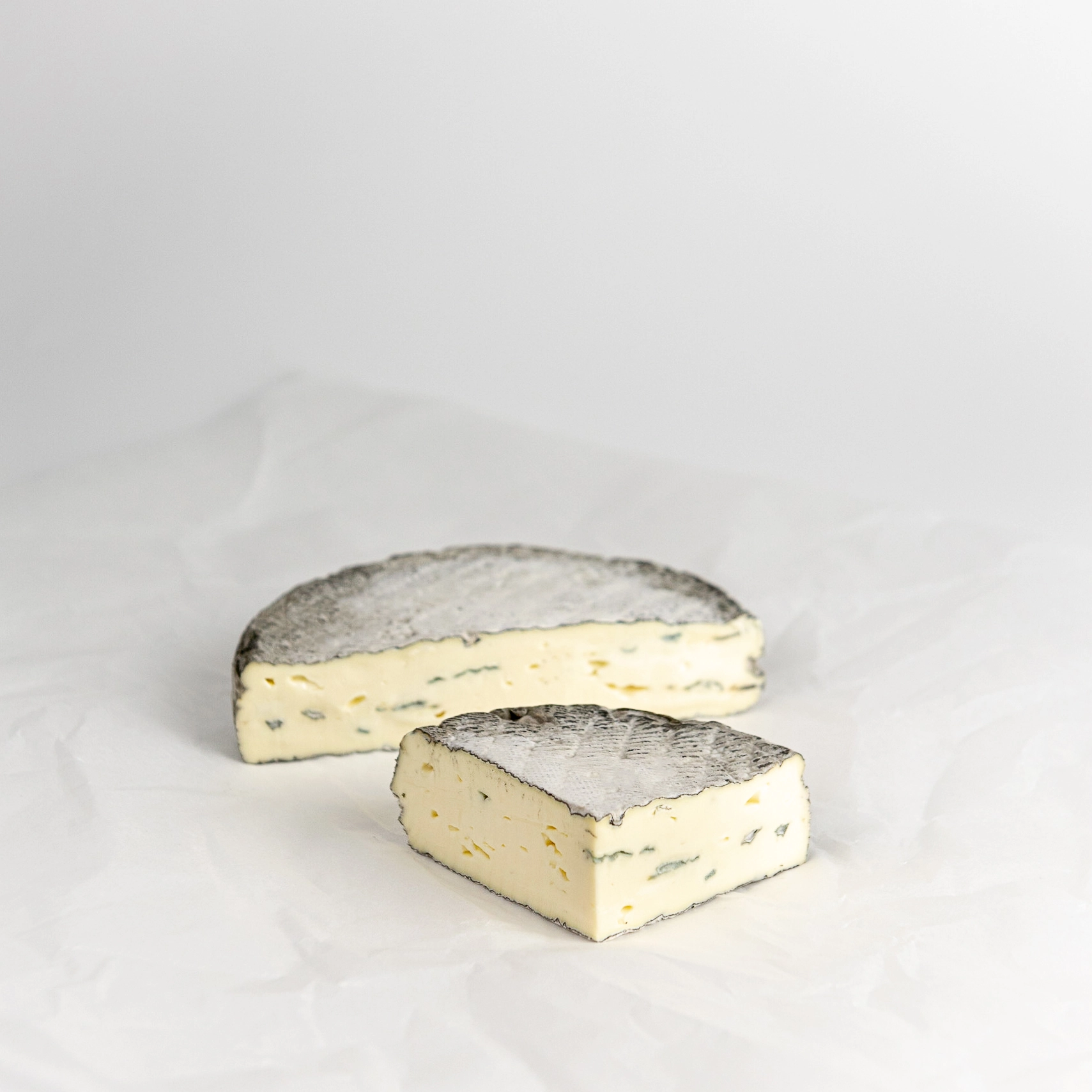
Another striking variety is Roche Baron. This cheese has a thin layer of edible ash, which gives it a milder flavor. When fully ripe, the cheese becomes slightly runny. This makes it unique among blue-veined cheeses.
Is blue-veined cheese healthy?
Blue cheese, like other cheeses, contains protein, calcium, and various vitamins. Thanks to the mold cultures present, this type of cheese also contains natural antioxidants. Because of its distinctive flavor, blue cheese is often eaten in smaller quantities, which fits well into a varied diet.
Blue-veined cheeses offer a wide range of flavors and a rich history. Whether you prefer a soft, creamy variety or a robust, spicy cheese, there's a blue-veined cheese to suit your taste.